PhD Studies
My ESRC-funded PhD at Bangor University comprises three linked experiments investigating the relationship between avian biodiversity, natural soundscapes and human wellbeing.
Study 1: Nature Sound Richness and Wellbeing
Laboratory experiment using virtual reality to test how the richness of natural soundscapes affects psychological wellbeing, using bird species as a proxy for nature sound diversity.
Read more Data collectedStudy 2: Urban Noise and Nature Sounds
Psychoacoustic study with thermal imaging exploring how traffic noise interacts with natural soundscapes (using birdsong as proxy) to shape human stress and restorative experience.
Read more Fieldwork upcomingStudy 3: Directed Listening Outdoors
Randomised outdoor study at Treborth Botanic Garden testing whether directed attention to natural sounds amplifies restoration.
Read moreDarwin 200 Leader: Howler Monkey Reintroduction
In 2023, I was selected as one of 200 Global Darwin Leaders by the Darwin 200 initiative, recognising early-career researchers contributing to conservation science in the tradition of Charles Darwin's voyage on HMS Beagle.
I travelled to Rio de Janeiro to document and participate in Refauna's groundbreaking project to reintroduce brown howler monkeys (Alouatta guariba) to Tijuca National Park, one of the world's largest urban forests. Howler monkeys are a keystone primate species whose absence disrupts seed dispersal and forest regeneration across hundreds of plant species.
A documentary film was produced from the expedition. My Darwin 200 profile page documents the full project and its outcomes.
Documentary film: Howler monkey reintroduction, Tijuca National Park, Rio de Janeiro
BTO Cymru Collaboration
The British Trust for Ornithology (BTO) is the lead partner organisation for my ESRC PhD scholarship. This collaboration connects the psychological side of my research directly to long-term monitoring of bird populations in Wales.
BTO Cymru provides access to bird distribution data, acoustic recording resources, and expert advisors in avian ecology. The partnership allows my PhD to speak directly to conservation policy: if declining bird diversity reduces human wellbeing, this becomes a public health argument for habitat protection.

Kerala Bird Atlas 2015 to 2020
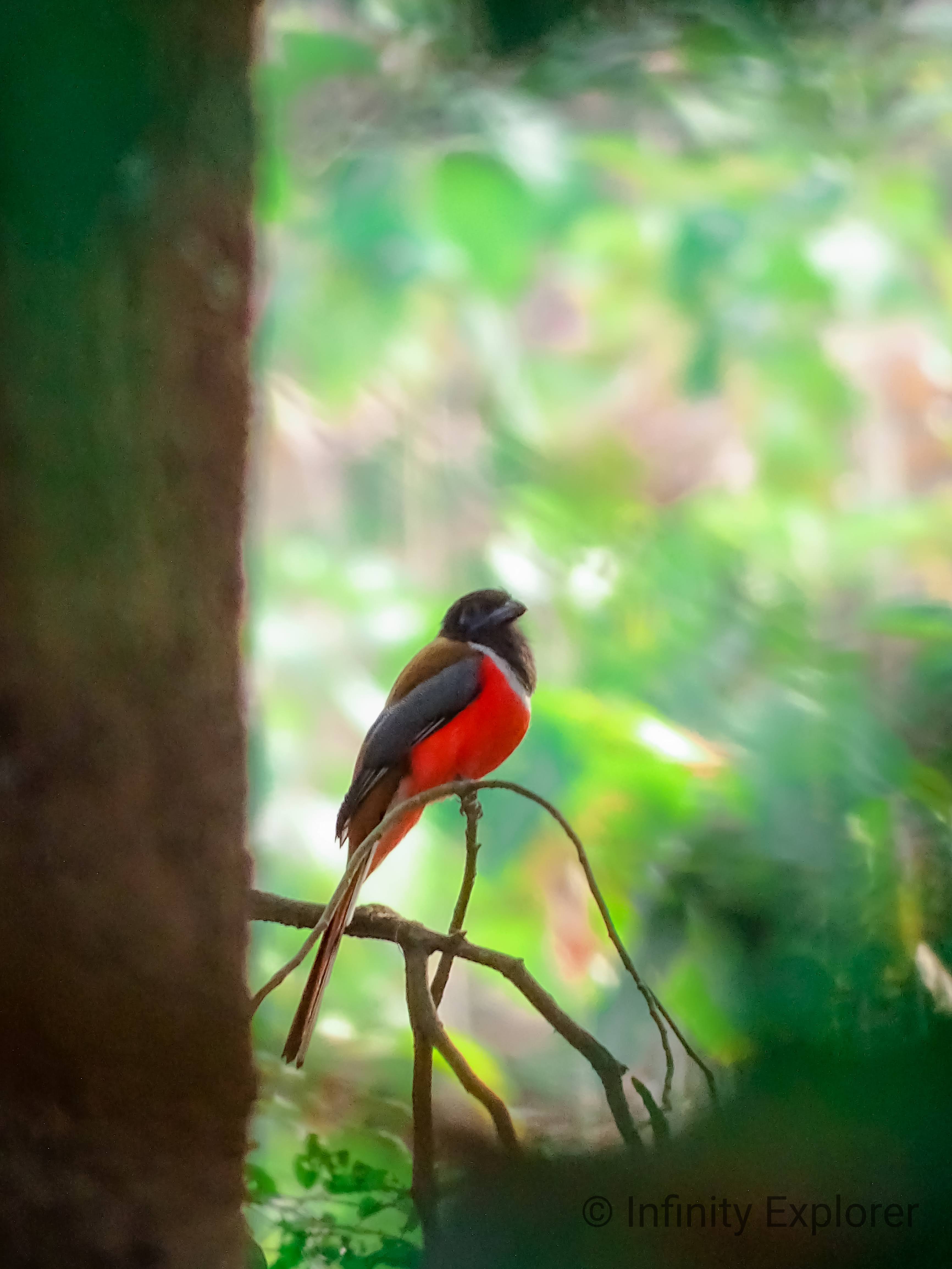
I contributed as a field researcher to the Kerala Bird Atlas, a five-year systematic bird monitoring project spanning all major habitat types across Kerala, one of India's highest-biodiversity states.
The atlas was produced in collaboration with WWF-India and published in 2022 in Current Science, India's leading interdisciplinary research journal. It represents one of the most comprehensive ornithological surveys ever conducted in the region, covering distribution, abundance and habitat use across hundreds of bird species.
Praveen J, et al. (2022). Kerala Bird Atlas 2015-20: features, outcomes and insights from a 5-year bird distribution survey. Current Science, 122(3).
Natural and Anthropogenic Nest Materials in Blue Tits
As part of my MSc Research at the University of Glasgow, I studied how the use of natural versus anthropogenic nest materials affects the breeding success of Blue Tits (Cyanistes caeruleus). The project drew on nest box monitoring data from the Scottish Centre for Ecology.
Blue Tits are among the most intensively studied passerine birds in Europe and are widely used as ecological indicators. The increasing prevalence of synthetic and plastic materials in nests raises questions about potential fitness effects on developing chicks.
Published in Avocetta — Italian Journal of Ornithology, 2025.

Thermal Imaging for Animal Behaviour
During a Research Assistant role at Liverpool John Moores University, I co-developed a novel application of thermal infrared imaging to the analysis of animal behaviour. The resulting preprint describes a pipeline for using FLIR thermal cameras to detect and quantify physiological responses in wild passerine birds.
This approach provides a non-invasive, contactless method for measuring stress and arousal in free-living birds, with potential applications across wildlife monitoring, comparative physiology and animal welfare research.
Roy, J. and McLeod, J. (2024). A Novel Approach for Animal Behavioural Analysis Using Thermal Imaging. bioRxiv.
Bangor as a City of Wellbeing
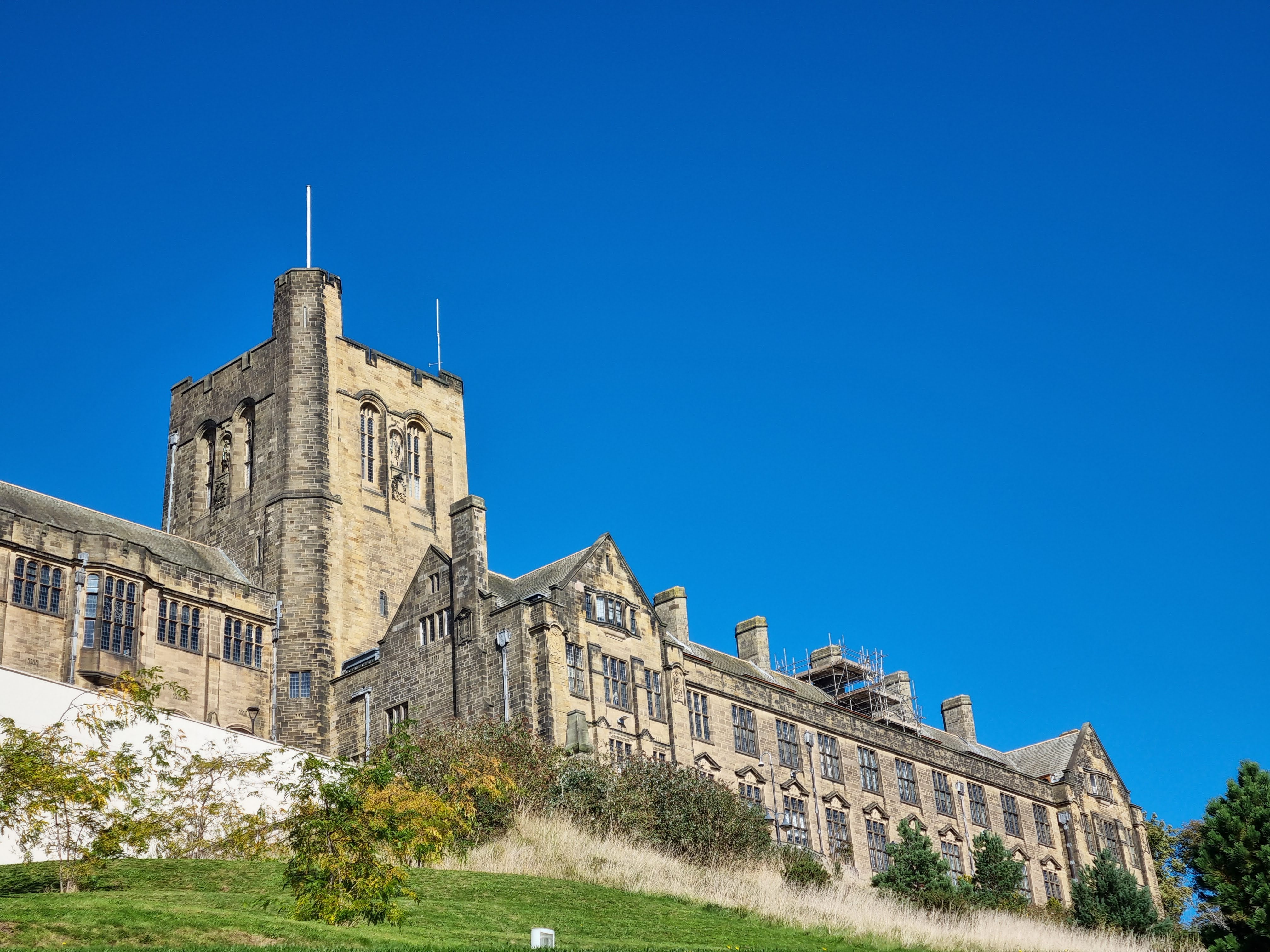
Bangor, situated between Snowdonia National Park and the Menai Strait, is an ideal living laboratory for research on nature, sound and human wellbeing. The city's proximity to diverse natural environments makes it uniquely suited for studying how urban residents engage with nature.
Study 3 of my PhD uses Treborth Botanic Garden as its field site, and passive acoustic monitoring recorders capture the soundscape ecology of the city and its green corridors throughout the year. This situates the work within the specific ecological character of North Wales.
Outreach and Communication
Science in 3 Minutes
A YouTube science education channel I founded to make research accessible to general audiences. Each video explains a scientific concept or finding in under three minutes, focusing on ecology, behaviour and the natural world.
Watch on YouTubeZoological Association
Secretary for five years at the University of Kerala's Zoological Association, organising three state-level science festivals and more than ten conservation outreach programmes, plus three residential nature study camps for school and university students.
University of Kerala, India